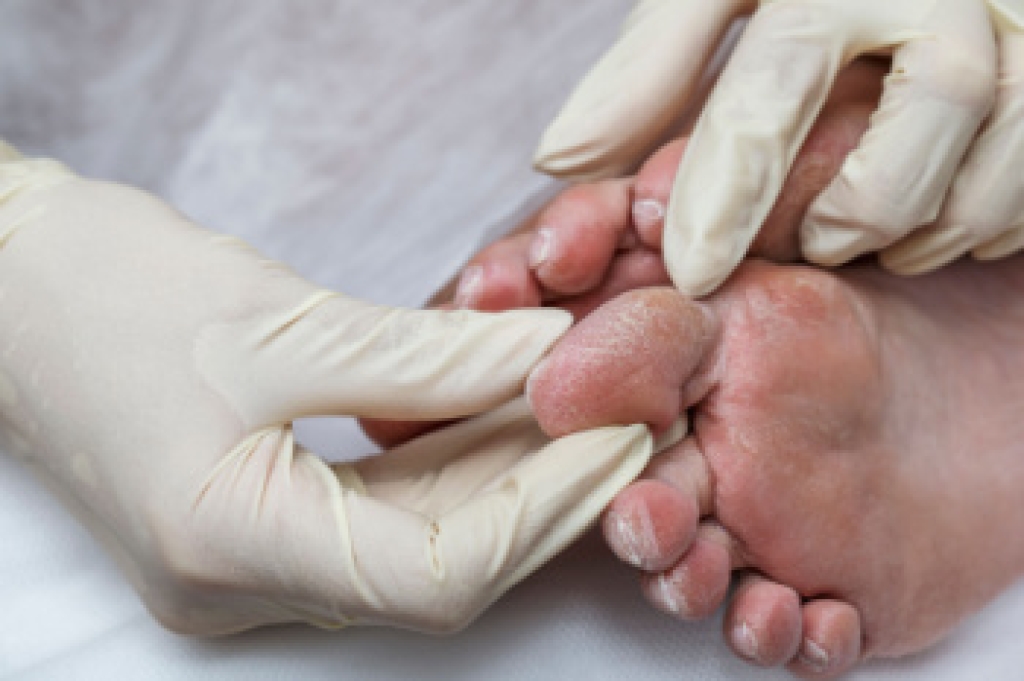
Foot Temperature Patterns in People With Diabetes and Nerve Damage

In individuals living with diabetes and reduced sensation in the feet, skin warmth can offer important clues about tissue health. Under normal conditions, both feet tend to show similar surface warmth when measured at matching locations. Small variations are expected, but noticeable differences between the left and right foot may signal irritation, inflammation, or increased stress on one area. Consistently higher warmth at a specific spot can appear before visible skin breakdown or pain develops, especially in people who do not feel early warning signs. Daily activity, footwear, circulation, and swelling can all influence readings, which is why patterns matter more than a single measurement. Monitoring changes over time helps identify potential problems early and supports preventive care strategies. When unusual warmth differences, redness, or skin changes are noticed, it is suggested that a podiatrist is seen for a proper evaluation and appropriate treatment.

Diabetic foot care is important in preventing foot ailments such as ulcers. If you are suffering from diabetes or have any other concerns about your feet, contact Dr. John Branwell from Kearny, New Jersey. Our doctor can provide the care you need to keep you pain-free and on your feet.

Diabetic Foot Care

Diabetes affects millions of people every year. The condition can damage blood vessels in many parts of the body, especially the feet. Because of this, taking care of your feet is essential if you have diabetes, and having a podiatrist help monitor your foot health is highly recommended.

The Importance of Caring for Your Feet

  • Routinely inspect your feet for bruises or sores.
  • Wear socks that fit your feet comfortably.
  • Wear comfortable shoes that provide adequate support.

Patients with diabetes should have their doctor monitor their blood levels, as blood sugar levels play such a huge role in diabetic care. Monitoring these levels on a regular basis is highly advised.

It is always best to inform your healthcare professional of any concerns you may have regarding your feet, especially for diabetic patients. Early treatment and routine foot examinations are keys to maintaining proper health, especially because severe complications can arise if proper treatment is not applied.

If you have any questions, please feel free to contact our office located in Kearny, NJ . We offer the newest diagnostic and treatment technologies for all your foot care needs.

Read more about Diabetic Foot Care

Exploring the Ponseti Method of Treating Clubfoot

The Ponseti method is a nonoperative approach used to correct clubfoot by gradually guiding an infant’s foot into a healthier position. Clubfoot causes the foot to turn inward and downward, and the method works by gently adjusting the foot over a series of casts before a brace is used to help maintain alignment. Later in the process, the term equinus is introduced to describe when the heel is pulled downward, which the Ponseti method helps address. This approach has replaced more invasive options like surgery for early correction, and it has shown success even in more complex cases. A podiatrist can help by monitoring the foot’s alignment, guiding each step of the casting plan, and identifying early signs of relapse so long-term progress is protected. If your infant exhibits clubfoot symptoms it is suggested that you consult a podiatrist for an exam and treatment.

Congenital foot problems require immediate attention to avoid future complications. If you have any concerns, contact Dr. John Branwell of Kearny, New Jersey. Our doctor can provide the care you need to keep you pain-free and on your feet.

Congenital foot problems are deformities affecting the feet, toes, and/or ankles that children are born with. Some of these conditions have a genetic cause while others just happen. Some specific foot ailments that children may be born with include clubfeet, polydactyly/macrodactyly, and cleft foot. There are several other foot anomalies that can occur congenitally. What all of these conditions have in common is that a child may experience difficulty walking or performing everyday activities, as well as trouble finding footwear that fits their foot deformity. Some of these conditions are more serious than others. Consulting with a podiatrist as early as possible will help in properly diagnosing a child’s foot condition while getting the necessary treatment underway.

What are Causes of Congenital Foot Problem?

A congenital foot problem is one that happens to a child at birth. These conditions can be caused by a genetic predisposition, developmental or positional abnormalities during gestation, or with no known cause.

What are Symptoms of Congenital Foot Problems?

Symptoms vary by the congenital condition. Symptoms may consist of the following:

  • Clubfoot, where tendons are shortened, bones are shaped differently, and the Achilles tendon is tight, causing the foot to point in and down. It is also possible for the soles of the feet to face each other.
  • Polydactyly, which usually consists of a nubbin or small lump of tissue without a bone, a toe that is partially formed but has no joints, or an extra toe.
  • Vertical talus, where the talus bone forms in the wrong position causing other bones in the foot to line up improperly, the front of the foot to point up, and the bottom of the foot to stiffen, with no arch, and to curve out.
  • Tarsal coalition, when there is an abnormal connection of two or more bones in the foot leading to severe, rigid flatfoot.
  • Cleft foot, where there are missing toes, a V-shaped cleft, and other anatomical differences.
  • Macrodactyly, when the toes are abnormally large due to overgrowth of the underlying bone or soft tissue.

Treatment and Prevention

While there is nothing one can do to prevent congenital foot problems, raising awareness and receiving neonatal screenings are important. Early detection by taking your child to a podiatrist leads to the best outcome possible.

If you have any questions, please feel free to contact our office located in Kearny, NJ . We offer the newest diagnostic and treatment technologies for all your foot care needs.

Read more about Congenital Foot Problems

When Gout Refuses to Leave

Chronic gout occurs when uric acid crystals continue to build up in joints, causing pain and inflammation that do not fully resolve between flares. Symptoms include persistent joint pain, swelling, redness, stiffness, and limited movement, most often in the big toe. The joint may look enlarged, shiny, or misshapen, and firm lumps called tophi may develop under the skin. It often feels deeply sore, throbbing, or tender, even with light pressure or walking. Causes include long-term high uric acid levels, genetics, kidney disease, and diet factors. A podiatrist can help from the start by evaluating symptoms, reviewing medical history, examining joint changes, and coordinating imaging or lab testing for diagnosis. Treatment may include pressure relief, joint protection, flare management, and collaboration with other providers on long-term uric acid control. Early podiatric care supports mobility, reduces complications, and improves comfort. If you are dealing with ongoing pain from gout, it is suggested that you make an appointment with a podiatrist

Gout is a foot condition that requires certain treatment and care. If you are seeking treatment, contact Dr. John Branwell from Kearny, New Jersey. Our doctor will treat your foot and ankle needs.

What Is Gout?

Gout is a type of arthritis caused by a buildup of uric acid in the bloodstream. It often develops in the foot, especially the big toe area, although it can manifest in other parts of the body as well. Gout can make walking and standing very painful and is especially common in diabetics and the obese.

People typically get gout because of a poor diet. Genetic predisposition is also a factor. The children of parents who have had gout frequently have a chance of developing it themselves.

Gout can easily be identified by redness and inflammation of the big toe and the surrounding areas of the foot. Other symptoms include extreme fatigue, joint pain, and running high fevers. Sometimes corticosteroid drugs can be prescribed to treat gout, but the best way to combat this disease is to get more exercise and eat a better diet.

If you have any questions, please feel free to contact our office located in Kearny, NJ . We offer the newest diagnostic and treatment technologies for all your foot care needs.

Read more about Gout

Wounds That Don't Heal Need to Be Checked

Your feet are covered most of the day. If you're diabetic, periodic screening is important for good health. Numbness is often a sign of diabetic foot and can mask a sore or wound.

Why the Big Toe Is Affected by Ingrown Toenails

The big toe carries much of the body weight and often experiences the most pressure inside a shoe, which makes the nail more likely to grow into the surrounding skin. Its nail is larger, thicker, and more curved than the others, so even a small change in how the nail grows or how the shoe fits can cause irritation. Wearing tight shoes, improper nail trimming, and repeated bumping of the toe can increase the chance of the nail edge digging into the tissue. When discomfort develops, a podiatrist can provide gentle care that removes the offending nail portion and eases the inflammation. Treatment may include reshaping the nail, protecting the skin, or using a procedure that prevents the troublesome edge from returning. If you notice pain, swelling, or difficulty walking because of a toenail problem, it is suggested that you see a podiatrist who can offer effective treatment solutions for ingrown toenails.

Ingrown toenails may initially present themselves as a minor discomfort, but they may progress into an infection in the skin without proper treatment. For more information about ingrown toenails, contact Dr. John Branwell of Kearny, New Jersey. Our doctor can provide the care you need to keep you pain-free and on your feet.

Ingrown Toenails

Ingrown toenails are caused when the corner or side of a toenail grows into the soft flesh surrounding it. They often result in redness, swelling, pain, and in some cases, infection. This condition typically affects the big toe and may recur if it is not treated properly.

Causes

  • Improper toenail trimming
  • Genetics
  • Improper shoe fitting
  • Injury from pedicures or nail picking
  • Abnormal gait
  • Poor hygiene

You are more likely to develop an ingrown toenail if you are obese, have diabetes, arthritis, or have any fungal infection in your nails. Additionally, people who have foot or toe deformities are at a higher risk of developing an ingrown toenail.

Symptoms

Some symptoms of ingrown toenails are redness, swelling, and pain. In rare cases, there may be a yellowish drainage coming from the nail.

Treatment

Ignoring an ingrown toenail can have serious complications. Infections of the nail border can progress to a deeper soft-tissue infection, which can then turn into a bone infection. You should always speak with your podiatrist if you suspect you have an ingrown toenail, especially if you have diabetes or poor circulation.

If you have any questions, please feel free to contact our office located in Kearny, NJ . We offer the newest diagnostic and treatment technologies for all your foot care needs.

Read more about Ingrown Toenail Care

Connect With Us