The Impact of Weight on Foot Health and Size

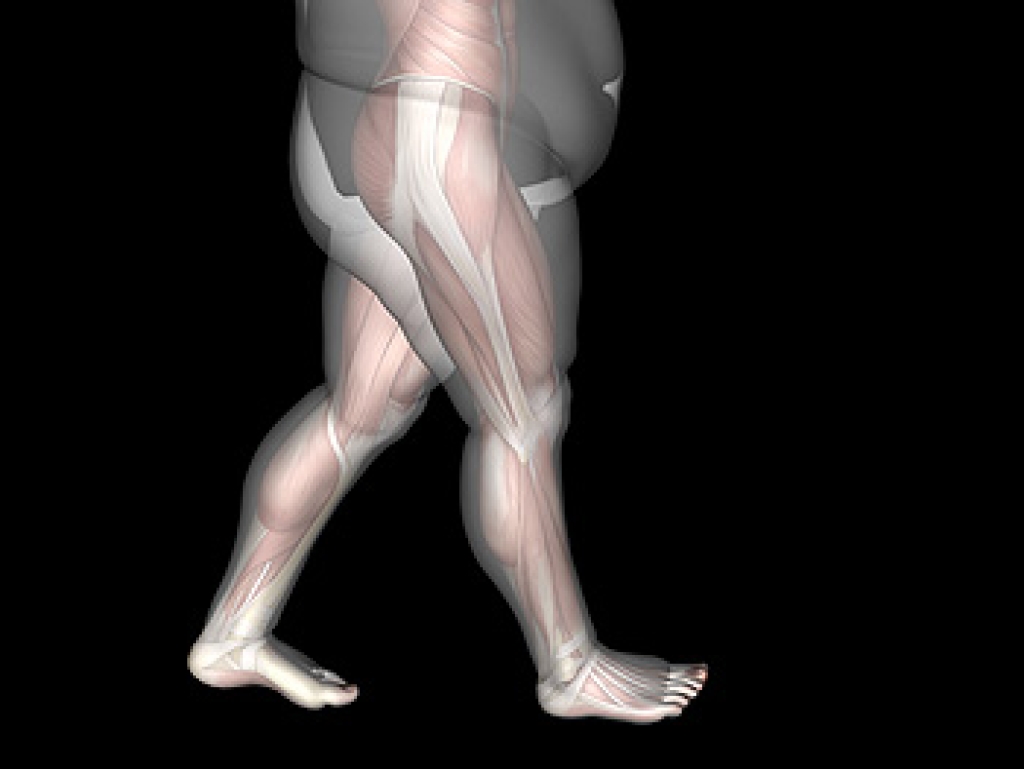
Body weight plays a significant role in the health and function of the feet. As the feet are responsible for supporting the entire body, increased weight places added pressure on the bones, joints, and soft tissues. This extra stress can lead to foot pain, fatigue, and conditions such as plantar fasciitis or flat feet. Over time, excess weight may also influence foot structure by spreading the arch and increasing foot length and width. Many individuals notice their shoe size changing as a result. This connection between weight and foot size highlights the importance of maintaining a healthy weight to support overall foot health. If you have gained weight and have developed foot pain, it is suggested that you schedule an appointment with a podiatrist who can offer appropriate treatment and relief.

The more you weigh, the harder your feet must work to support your body. If you’re an obese individual and are concerned about your feet, contact Dr. John Branwell from Kearny, New Jersey. Our doctor can provide the care you need to keep you pain-free and on your feet.

Obesity and Your Feet

People who are overweight are putting more pressure on their ankles, knees, and hips as well as their feet. This unfortunately can lead to variety of different issues.

Problems & Complications Stemming from Obesity

  • When the body is overweight, it tries to compensate by changing the way that it moves. An obese person may lean forward and put extra weight on the wrong part of the foot. This puts unnecessary stress on the feet.
  • Obese people are also more likely to develop type II diabetes which is a condition that causes a lot of foot problems. People with diabetes often don’t feel the cuts and sores that they may have on their feet, which can lead to more complicated and severe issues.
  • Plantar fasciitis is another foot condition that can be caused by obesity. Plantar fasciitis is an inflammation of the tissue along the bottom of the foot, which causes pain and stiffness while walking and climbing stairs.

If you have any questions please contact our office located in Kearny, NJ . We offer the newest diagnostic and treatment technologies for all your foot and ankle needs.
Read more about Obesity and the Feet

How Alcohol Can Affect Foot Health

Alcohol consumption can have several surprising effects on foot health, often going unnoticed until discomfort begins. Drinking alcohol may lead to a sensation of heaviness in the limbs, making the feet and legs feel sluggish or difficult to move. It can also contribute to foot swelling due to fluid retention and impaired circulation. Regular alcohol use may increase uric acid levels in the body, raising the risk of developing gout, a painful condition that often targets the joints of the big toe. Additionally, alcohol can dehydrate the body, leading to dry, scaly skin on the feet, which may crack or become irritated. Paying attention to how alcohol impacts the body, including the feet, is important for maintaining overall wellness. If you have any kind of foot pain, it is suggested that you confer with a podiatrist who can treat various foot conditions, and offer appropriate treatment solutions.

Foot Pain

Foot pain can be extremely painful and debilitating. If you have a foot pain, consult with Dr. John Branwell from Kearny, New Jersey. Our doctor will assess your condition and provide you with quality foot and ankle treatment.

Causes

Foot pain is a very broad condition that could be caused by one or more ailments. The most common include:

  • Bunions
  • Hammertoes
  • Plantar Fasciitis
  • Bone Spurs
  • Corns
  • Tarsal Tunnel Syndrome
  • Ingrown Toenails
  • Arthritis (such as Gout, Rheumatoid, and Osteoarthritis)
  • Flat Feet
  • Injury (from stress fractures, broken toe, foot, ankle, Achilles tendon ruptures, and sprains)
  • And more

Diagnosis

To figure out the cause of foot pain, podiatrists utilize several different methods. This can range from simple visual inspections and sensation tests to X-rays and MRI scans. Prior medical history, family medical history, and any recent physical traumatic events will all be taken into consideration for a proper diagnosis.

Treatment

Treatment depends upon the cause of the foot pain. Whether it is resting, staying off the foot, or having surgery; podiatrists have a number of treatment options available for foot pain.

If you have any questions, please feel free to contact our office located in Kearny, NJ . We offer the newest diagnostic and treatment technologies for all your foot care needs.

Read more about Foot Pain

What to Expect in a Biomechanical Foot Assessment

A biomechanical assessment of the feet and ankles evaluates how they function during movement. Podiatrists use this exam to identify issues like abnormal gait patterns, misalignment, or imbalances that may contribute to pain or injury. The assessment typically begins with a static evaluation, where a podiatrist examines foot posture, arch height, and weight distribution while standing. Next comes a dynamic assessment, analyzing how the feet move during walking or running. This may involve video gait analysis or pressure mapping technology. Joint mobility, muscle strength, and flexibility are also tested. Findings from the assessment help determine if orthotics, footwear changes, or strengthening exercises are needed. If you would like to better understand foot pain, injury prevention, or athletic performance enhancement, it is suggested that you see a podiatrist for a biomechanical assessment.

If you have any concerns about your feet, contact Dr. John Branwell from Kearny, New Jersey. Our doctor can provide the care you need to keep you pain-free and on your feet.

Biomechanics in Podiatry

Podiatric biomechanics is a particular sector of specialty podiatry with licensed practitioners who are trained to diagnose and treat conditions affecting the foot, ankle and lower leg. Biomechanics deals with the forces that act against the body, causing an interference with the biological structures. It focuses on the movement of the ankle, the foot and the forces that interact with them.

A History of Biomechanics

  • Biomechanics dates back to the BC era in Egypt where evidence of professional foot care has been recorded.
  • In 1974, biomechanics gained a higher profile from the studies of Merton Root, who claimed that by changing or controlling the forces between the ankle and the foot, corrections or conditions could be implemented to gain strength and coordination in the area.

Modern technological improvements are based on past theories and therapeutic processes that provide a better understanding of podiatric concepts for biomechanics. Computers can provide accurate information about the forces and patterns of the feet and lower legs.

Understanding biomechanics of the feet can help improve and eliminate pain, stopping further stress to the foot.

If you have any questions please feel free to contact our office located in Kearny, NJ . We offer the newest diagnostic and treatment technologies for all your foot and ankle needs.

Read more about The Importance of Biomechanics in Podiatry

Why Live with Pain and Numbness in Your Feet?

Suffering from this type of pain? You may have the foot condition known as Morton's neuroma. Morton's neuroma may develop as a result of ill-fitting footwear and existing foot deformities. We can help.

Sesamoiditis and Pain in the Big Toe

Sesamoiditis causes pain beneath the big toe due to irritation or injury of the sesamoid bones, which are two small, round bones located under the head of the first metatarsal. These tiny bones are embedded in a tendon and assist with weight-bearing and toe movement. When exposed to repetitive stress, direct trauma, or altered foot mechanics, they can become painful, especially during walking or when wearing thin-soled or high-heeled shoes. Sesamoiditis more commonly affects dancers, joggers, and people with high arches or bunions. Symptoms include toe pain that gets worse with pressure, and swelling, warmth, or redness may occur near the joint. A podiatrist can perform an exam to pinpoint areas of tenderness and assess the structure of the foot. Imaging may be used to rule out fractures or other joint conditions. Treatment often involves changes in footwear and the addition of custom orthotics to reduce pressure on the sesamoids. In severe or prolonged cases, surgery may be recommended. If you are experiencing pain under the big toe, it is suggested that you schedule an appointment with a podiatrist for an exam and appropriate treatment.

Sesamoiditis is an unpleasant foot condition characterized by pain in the balls of the feet. If you think you’re struggling with sesamoiditis, contact Dr. John Branwell of Kearny, New Jersey. Our doctor will treat your condition thoroughly and effectively.

Sesamoiditis

Sesamoiditis is a condition of the foot that affects the ball of the foot. It is more common in younger people than it is in older people. It can also occur with people who have begun a new exercise program, since their bodies are adjusting to the new physical regimen. Pain may also be caused by the inflammation of tendons surrounding the bones. It is important to seek treatment in its early stages because if you ignore the pain, this condition can lead to more serious problems such as severe irritation and bone fractures.

Causes of Sesamoiditis

  • Sudden increase in activity
  • Increase in physically strenuous movement without a proper warm up or build up
  • Foot structure: those who have smaller, bonier feet or those with a high arch may be more susceptible

Treatment for sesamoiditis is non-invasive and simple. Doctors may recommend a strict rest period where the patient forgoes most physical activity. This will help give the patient time to heal their feet through limited activity. For serious cases, it is best to speak with your doctor to determine a treatment option that will help your specific needs.

If you have any questions, please feel free to contact our office located in Kearny, NJ . We offer the newest diagnostic and treatment technologies for all your foot care needs.

Read more about Sesamoiditis

Connect With Us