
Causes of Non-Injury Ankle Pain

Not all foot and ankle pain is caused by an injury. Several medical conditions can lead to discomfort without any recent trauma. Osteoarthritis is one common cause, where the cartilage in the ankle joint wears down over time, resulting in pain and reduced movement. Rheumatoid arthritis, an autoimmune disease, can lead to joint swelling and stiffness, often affecting the ankles and feet. People with flat feet may experience ankle pain due to the collapse of the foot’s arch, which places stress on nearby joints. Achilles tendinopathy is another source of pain, involving inflammation or damage to the large tendon at the back of the ankle. Bursitis occurs when small fluid-filled sacs that cushion the ankle become inflamed. Pain can also result from joint infections or gout, a condition where uric acid builds up in the joint, especially in the toes and ankles. A podiatrist can help diagnose the underlying cause of your ankle pain and provide appropriate medical treatment. If you experience sudden or unexplained ankle pain, it is suggested that you schedule an appointment with a podiatrist for a diagnosis and treatment.

Ankle pain can have many different causes and the pain may potentially be serious. If you have ankle pain, consult with Dr. John Branwell from Kearny, New Jersey. Our doctor will assess your condition and provide you with quality foot and ankle treatment.

Ankle pain is any condition that causes pain in the ankle. Due to the fact that the ankle consists of tendons, muscles, bones, and ligaments, ankle pain can come from a number of different conditions.

Causes

The most common causes of ankle pain include:

  • Types of arthritis (rheumatoid, osteoarthritis, and gout)
  • Ankle sprains
  • Broken ankles
  • Achilles tendinitis
  • Achilles tendon rupture
  • Stress fractures
  • Tarsal tunnel syndrome
  • Plantar fasciitis

Symptoms

Symptoms of ankle injury vary based upon the condition. Pain may include general pain and discomfort, swelling, aching, redness, bruising, burning or stabbing sensations, and/or loss of sensation.

Diagnosis

Due to the wide variety of potential causes of ankle pain, podiatrists will utilize a number of different methods to properly diagnose ankle pain. This can include asking for personal and family medical histories and of any recent injuries. Further diagnosis may include sensation tests, a physical examination, and potentially x-rays or other imaging tests.

Treatment

Just as the range of causes varies widely, so do treatments. Some more common treatments are rest, ice packs, keeping pressure off the foot, orthotics and braces, medication for inflammation and pain, and surgery.

If you have any questions please feel free to contact our office located in Kearny, NJ . We offer the newest diagnostic tools and technology to treat your foot and ankle needs.

Read more about Various Causes of Ankle Pain

Managing Heel Pain

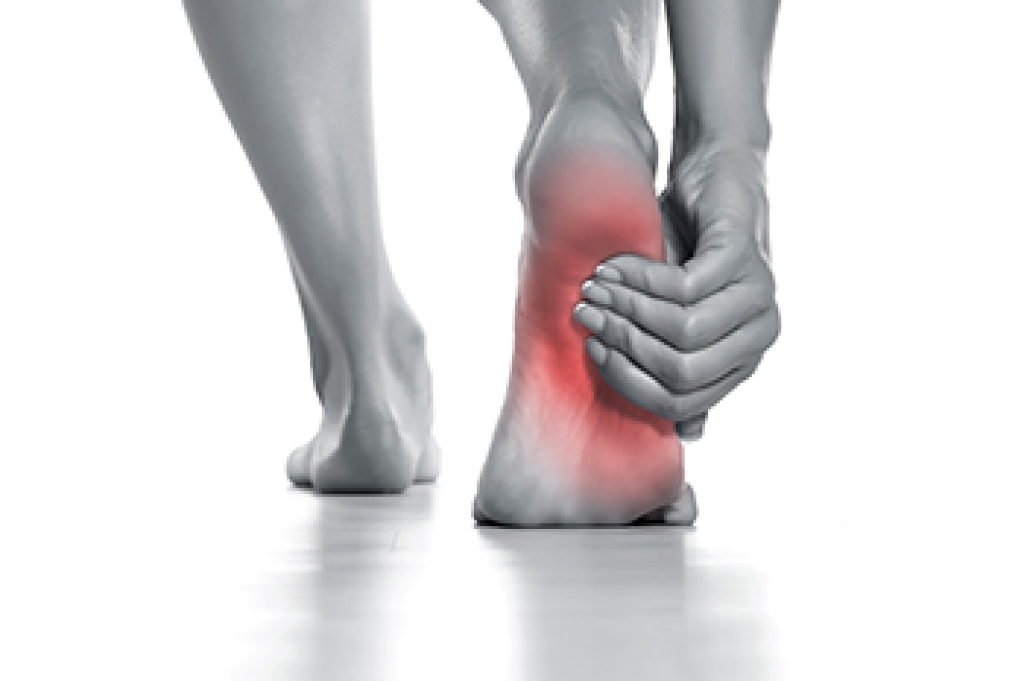
Heel pain is a common foot complaint and can stem from several conditions, including plantar fasciitis, stress fractures, or neuromas. Plantar fasciitis is an inflammation of the thick band of tissue running along the bottom of the foot, often causing sharp pain with your first steps in the morning. Stress fractures are tiny cracks in the heel bone due to overuse or repetitive activity, leading to persistent, aching pain. Neuromas are nerve issues that may cause burning, tingling, or numbness in the heel or arch. These conditions may feel like stabbing pain, deep aches, or electric-like shocks, depending on the cause. Without treatment, heel pain can worsen and affect your mobility. A podiatrist can diagnose the cause of your heel pain through physical exams, imaging, and gait analysis. Treatment options include custom orthotics, targeted exercises, anti-inflammatory medications, or, in some cases, minor procedures. If you are experiencing ongoing heel pain, it is suggested that you schedule an appointment with a podiatrist for appropriate treatment.

Many people suffer from bouts of heel pain. For more information, contact Dr. John Branwell of Kearny, New Jersey. Our doctor can provide the care you need to keep you pain-free and on your feet.

Causes of Heel Pain

Heel pain is often associated with plantar fasciitis. The plantar fascia is a band of tissues that extends along the bottom of the foot. A rip or tear in this ligament can cause inflammation of the tissue.

Achilles tendonitis is another cause of heel pain. Inflammation of the Achilles tendon will cause pain from fractures and muscle tearing. Lack of flexibility is also another symptom.

Heel spurs are another cause of pain. When the tissues of the plantar fascia undergo a great deal of stress, it can lead to ligament separation from the heel bone, causing heel spurs.

Why Might Heel Pain Occur?

  • Wearing ill-fitting shoes                
  • Wearing non-supportive shoes
  • Weight change           
  • Excessive running

Treatments

Heel pain should be treated as soon as possible for immediate results. Keeping your feet in a stress-free environment will help. If you suffer from Achilles tendonitis or plantar fasciitis, applying ice will reduce the swelling. Stretching before an exercise like running will help the muscles. Using all these tips will help make heel pain a condition of the past.

If you have any questions, please feel free to contact our office located in Kearny, NJ . We offer the newest diagnostic and treatment technologies for all your foot care needs.

Read more about Heel Pain

Foot Pain and Posture Linked to Falls in Older Adults

Older adults with foot pain may face more than just daily discomfort. They may also be at greater risk of falling. Research shows that those with ongoing or intense foot pain are more likely to experience repeated falls. The structure of the foot also matters. A flat foot shape, known as planus posture, may affect balance and stability, further raising the risk. These two factors often work together, making it harder for the body to respond quickly during movement. Wearing proper footwear, doing targeted exercises, and getting podiatric care can help reduce the chance of falling. Addressing foot pain early and supporting healthy foot alignment can protect both mobility and safety. If foot problems are making it harder to stay steady, it is suggested you see a podiatrist for diagnosis and appropriate treatment.

Proper foot care is something many older adults forget to consider. If you have any concerns about your feet and ankles, contact Dr. John Branwell from Kearny, New Jersey. Our doctor can provide the care you need to keep you pain-free and on your feet.

The Elderly and Their Feet

As we age we start to notice many changes in our body, but the elder population may not notice them right away. Medical conditions may prevent the elderly to take notice of their foot health right away. Poor vision is a lead contributor to not taking action for the elderly.

Common Conditions 

  • Neuropathy – can reduce feeling in the feet and can hide many life-threatening medical conditions.
  • Reduced flexibility – prevents the ability of proper toenail trimming, and foot cleaning. If left untreated, it may lead to further medical issues.
  • Foot sores – amongst the older population can be serious before they are discovered. Some of the problematic conditions they may face are:
  • Gouging toenails affecting nearby toe
  • Shoes that don’t fit properly
  • Pressure sores
  • Loss of circulation in legs & feet
  • Edema & swelling of feet and ankles

Susceptible Infections

Diabetes and poor circulation can cause general loss of sensitivity over the years, turning a simple cut into a serious issue.

If you have any questions, please feel free to contact our office located in Kearny, NJ . We offer the newest diagnostic and treatment technologies for all your foot care needs.

Read more about Elderly and their Feet

Are You Suffering From Ingrown Toenails?

If left untreated, an ingrown toenail can lead to more serious concerns, such as an infection. Knowing proper nail care can help in the prevention of an ingrown toenail. Give us a call, and get treated!

Signs in Your Feet That Could Point to Liver Problems

The feet can often reveal early signs of liver problems that might otherwise go unnoticed. One common indication is the appearance of spider veins, which are small, visible blood vessels that can form on the feet and ankles when the liver is not properly filtering blood. Cracked heels may also suggest liver dysfunction, as poor circulation and dehydration associated with liver issues can lead to dry, splitting skin. Another sign to watch for is white nail beds, which can signal a lack of healthy blood flow or low protein levels caused by liver disease. These changes in the feet may seem minor at first, but they can provide important clues about underlying liver health. If you notice any changes to your feet, it is suggested that you consult a podiatrist who can treat various foot conditions, and guide you if an underlying health issue is a concern.

When dealing with systemic disease of the feet, it is extremely important to check the affected areas routinely so that any additional problems are caught quickly.  If you have any concerns about your feet and ankles contact Dr. John Branwell from Kearny, New Jersey. Our doctor will assist you with all of your podiatric needs.

Systemic Diseases of the Feet

Systemic diseases affect the whole body, and symptoms usually are displayed in the feet. This condition can make a patient’s ability to walk unbearable.  Systemic diseases include gout, diabetes mellitus, neurological disorders, and arthritis.

Gout – is caused by an excess of uric acid in the body. Common symptoms include pain, inflammation, and redness at the metatarsal/phalangeal joint of the base big toe. Gout can be treated by NSAIDs to relieve pain and inflammation, and other drugs that lower the acid levels in the body.

Diabetes mellitus – is an increase in the level of blood sugar that the body cannot counteract with its own insulin. Failure to produce enough insulin is a factor in Diabetes.

Diabetes of the Feet

Diabetic Neuropathy – may lead to damaged nerves and affect the feet through numbness and loss of sensation.

Peripheral Vascular Disease – can restrict the blood flow to the feet, and often times lead to amputation of the feet. 

If you have any questions please contact our office located in Kearny, NJ . We offer the newest diagnostic and treatment technologies for all your foot and ankle needs.

Read more about Systemic Diseases of the Foot

Connect With Us