Risks Factors and Causes of Plantar Fasciitis

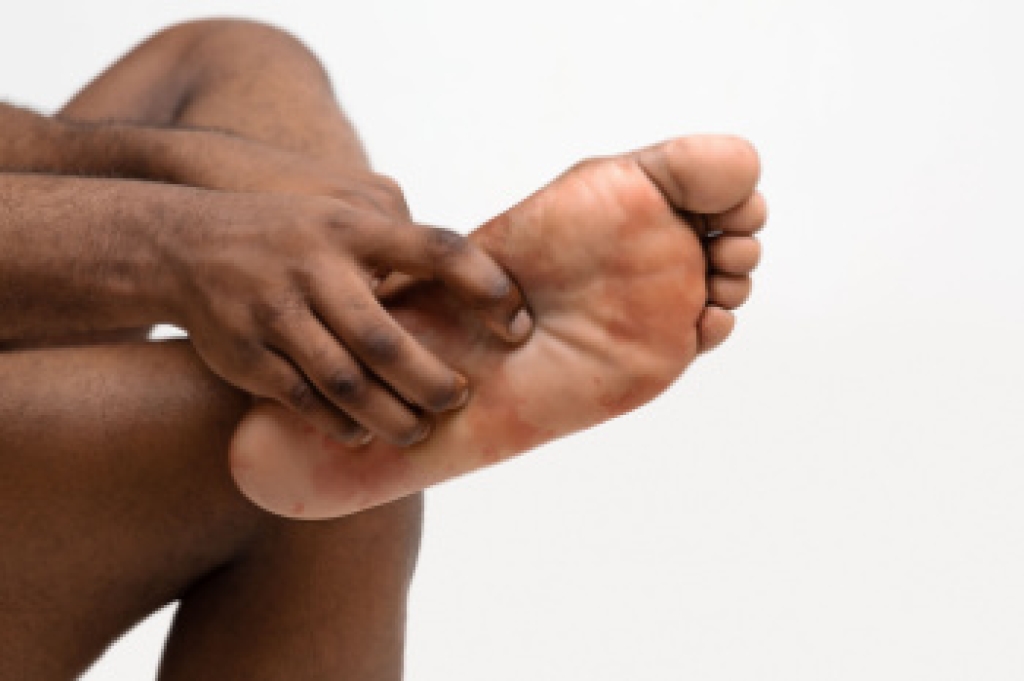
Plantar fasciitis is an inflammation of the thick band of tissue that runs along the bottom of the foot, called the plantar fascia. It can cause sharp, burning heel pain or pain under the foot that feels like walking on broken glass. Many patients notice the worst discomfort with their first steps in the morning or after sitting for a long time. The pain usually eases after several minutes of movement, but it can return after long hours of standing, running, or other demanding activities. One or both feet can be affected, making daily routines more difficult.

The plantar fascia supports the arch and helps absorb force with every step. Repeated strain can create tiny tears where the tissue attaches to the heel, leading to irritation and inflammation. Risk factors include running, standing for long periods of time, and shoes that lack proper support. Flat feet, high arches, and tight calf muscles also place extra stress on the tissue. Extra body weight and getting older increase the chance of developing this painful condition. People who return to sports after a long break also face higher risk because the tissue must handle sudden stress. Hard running surfaces and jobs that require many hours on the feet can further increase strain on the heel and arch with every step.

A podiatrist diagnoses plantar fasciitis by discussing symptoms, examining the foot, and checking how you walk. Imaging tests are only used when another problem is suspected. Treatment includes custom orthotics, injections, and target exercises. Surgery may be needed for severe cases that do not improve with other care. A podiatrist also identifies factors that cause repeated strain and recommends changes that protect the foot while supporting healing. If you have heel pain or other pain under the foot, it is suggested that you schedule an appointment with a podiatrist who can accurately diagnose and treat plantar fasciitis.

Plantar fasciitis is a common foot condition that is often caused by a strain injury. If you are experiencing heel pain or symptoms of plantar fasciitis, contact Dr. John Branwell from Kearny, New Jersey. Our doctor can provide the care you need to keep you pain-free and on your feet.

What Is Plantar Fasciitis?

Plantar fasciitis is one of the most common causes of heel pain. The plantar fascia is a ligament that connects your heel to the front of your foot. When this ligament becomes inflamed, plantar fasciitis is the result. If you have plantar fasciitis you will have a stabbing pain that usually occurs with your first steps in the morning. As the day progresses and you walk around more, this pain will start to disappear, but it will return after long periods of standing or sitting.

What Causes Plantar Fasciitis?

  • Excessive running
  • Having high arches in your feet
  • Other foot issues such as flat feet
  • Pregnancy (due to the sudden weight gain)
  • Being on your feet very often

There are some risk factors that may make you more likely to develop plantar fasciitis compared to others. The condition most commonly affects adults between the ages of 40 and 60. It also tends to affect people who are obese because the extra pounds result in extra stress being placed on the plantar fascia.

Prevention

  • Take good care of your feet – Wear shoes that have good arch support and heel cushioning.
  • Maintain a healthy weight
  • If you are a runner, alternate running with other sports that won’t cause heel pain

There are a variety of treatment options available for plantar fasciitis along with the pain that accompanies it. Additionally, physical therapy is a very important component in the treatment process. It is important that you meet with your podiatrist to determine which treatment option is best for you.

If you have any questions, please feel free to contact our office located in Kearny, NJ . We offer the newest diagnostic and treatment technologies for all your foot care needs.
 

Read more about Plantar Fasciitis

Foot Blisters Are Common in Runners

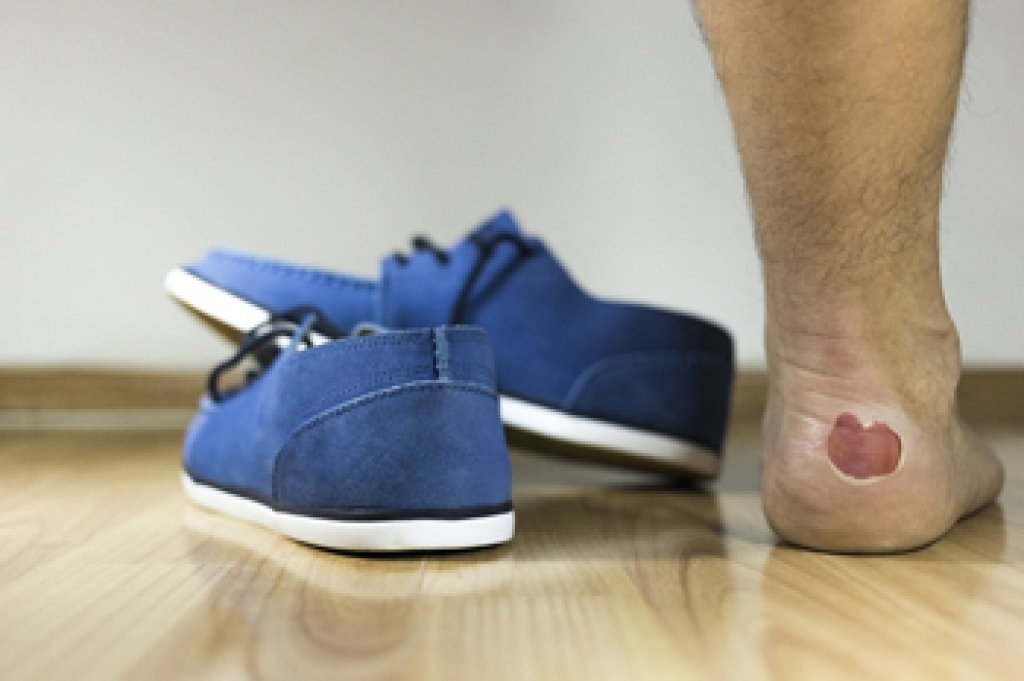
Foot blisters are one of the most common issues experienced by runners, especially during long-distance or high-impact activity. A blister forms when repeated friction causes the upper layer of skin to separate from the layer beneath it. This space fills with fluid, which acts as a natural cushion to protect the raw skin underneath. While this is a protective response, it can still cause significant discomfort and interfere with performance. Understanding how and why blisters develop is essential for prevention and proper care.

The primary cause of foot blisters from running is friction created by rubbing shoes or socks against the skin. Wearing ill-fitting footwear, moisture buildup from sweat, and repetitive motion all increase the likelihood of skin irritation. As the friction continues, the outer skin layer begins to lift, leading to fluid accumulation. Common symptoms include redness, tenderness, a raised, fluid filled area, and pain when pressure is applied. If the blister breaks, the exposed skin may become more sensitive and prone to infection.


Several risk factors can increase the chance of developing blisters. These include wearing shoes that are too tight or too loose, excessive sweating, and long periods of running without rest. Choice of socks can also have an effect. Poor foot hygiene and biomechanical issues like abnormal gait patterns can also contribute. Preventive steps include choosing properly fitted running shoes, wearing moisture wicking socks, and keeping feet dry. Using protective padding or blister prevention products in high friction areas is recommended by experts. Taking these proactive steps can reduce discomfort and help maintain consistent performance. Early attention to hot spots can prevent blisters from forming or worsening. Proper footwear and foot care play a key role in long-term prevention. If foot blisters become painful or show signs of infection, it is suggested that you consult a podiatrist for effective relief and prevention tips. 

Blisters are prone to making everyday activities extremely uncomfortable. If your feet are hurting, contact Dr. John Branwell of Kearny, New Jersey. Our doctor can provide the care you need to keep you pain-free and on your feet.

Foot Blisters

Foot blisters develop as a result of constantly wearing tight or ill-fitting footwear. This happens due to the constant rubbing from the shoe, which can often lead to pain.

What Are Foot Blisters?

A foot blister is a small fluid-filled pocket that forms on the upper-most layer of the skin. Blisters are filled with clear fluid and can lead to blood drainage or pus if the area becomes infected.

How Do Blisters Form?

Blisters on the feet are often the result of constant friction of skin and material, usually by shoe rubbing. Walking in sandals, boots, or shoes that don’t fit properly for long periods of time can result in a blister. Having consistent foot moisture and humidity can easily lead to blister formation.

Prevention & Treatment

It is important to properly care for the affected area in order to prevent infection and ease the pain. Do not lance the blister and use a Band-Aid to provide pain relief. Also, be sure to keep your feet dry and wear proper fitting shoes. If you see blood or pus in a blister, seek assistance from a podiatrist.

If you have any questions, please feel free to contact our office located in Kearny, NJ . We offer the newest diagnostic and treatment technologies for all your foot care needs.

Read more about Blisters

Summer Foot Care and Cracked Heels Prevention

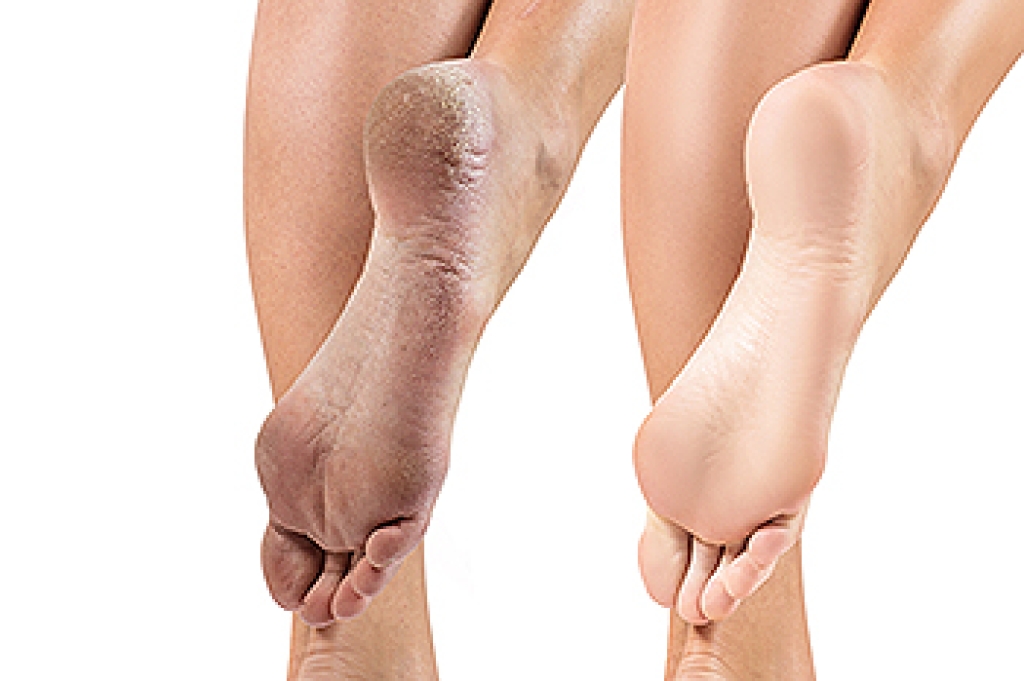
Cracked heels, also known as heel fissures, occur when the skin on the bottom of the heel becomes dry, thickened, and splits under pressure. This condition is common during the summer months when people wear open-backed shoes that expose the skin to dry air and friction. The heel naturally expands with weight-bearing, and when the skin lacks moisture and elasticity, it can crack. While mild cases may seem cosmetic, deeper cracks can become painful and increase the risk of infection. Maintaining smooth and healthy feet is essential for comfort, mobility, and overall foot health.

Symptoms of cracked heels include rough or flaky skin, visible splits, and thickened areas around the heel. As the condition progresses, cracks may deepen and cause pain when standing or walking. In severe cases, bleeding and inflammation can occur, making daily activities uncomfortable. Individuals with underlying skin conditions such as eczema may experience more persistent dryness and irritation. Recognizing early signs allows for prompt care and reduces the likelihood of complications that may require medical treatment.


Several risk factors contribute to the development of cracked heels. Obesity increases pressure on the heel, causing the skin to expand and crack more easily. Standing for long periods of time, especially on hard surfaces, adds stress to the heel pad. Wearing unsupportive or open-back shoes exposes the skin to environmental dryness. Medical conditions such as eczema and diabetes can affect skin integrity and healing. Dehydration and poor foot hygiene may also play a role. These factors combined can worsen dryness and lead to painful fissures if not addressed properly.


Keeping feet smooth during summer involves consistent moisturizing with thick creams that contain urea or lactic acid, regular gentle exfoliation, and wearing supportive footwear that protects the heel. Hydration and proper skin care routines help maintain elasticity and prevent cracking. Avoiding prolonged barefoot walking and using cushioned insoles can reduce pressure on the heels. If you have cracked heels, it is suggested that you consult a podiatrist for effective treatment to restore skin health and prevent further complications.

If the skin on your feet starts to crack, you may want to see a podiatrist to find treatment. If you have any concerns, contact Dr. John Branwell from Kearny, New Jersey. Our doctor can provide the care you need to keep you pain-free and on your feet.

Cracked Heels

It is important to moisturize your cracked heels in order to prevent pain, bleeding, and infection. The reason cracked heels form is because the skin on the foot is too dry to support the immense pressure placed on them. When the foot expands, the dry skin on the foot begins to split.

Ways to Help Heal Them

  • Invest in a good foot cream
  • Try Using Petroleum Jelly
  • Ease up on Soaps
  • Drink Plenty of Water

Ways to Prevent Cracked Heels

  • Moisturize After Showering
  • Skip a Shower
  • Keep Shower Water Lukewarm
  • Don’t Scrub Your Feet

If you are unsure how to proceed in treating cracked heels, seek guidance from a podiatrist. Your doctor will help you with any questions or information you may need. 

If you have any questions, please feel free to contact our office located in Kearny, NJ . We offer the newest diagnostic and treatment technologies for all your foot care needs.
Read more about Solutions for Cracked Heels

Choosing Proper Shoes for Your Toddler

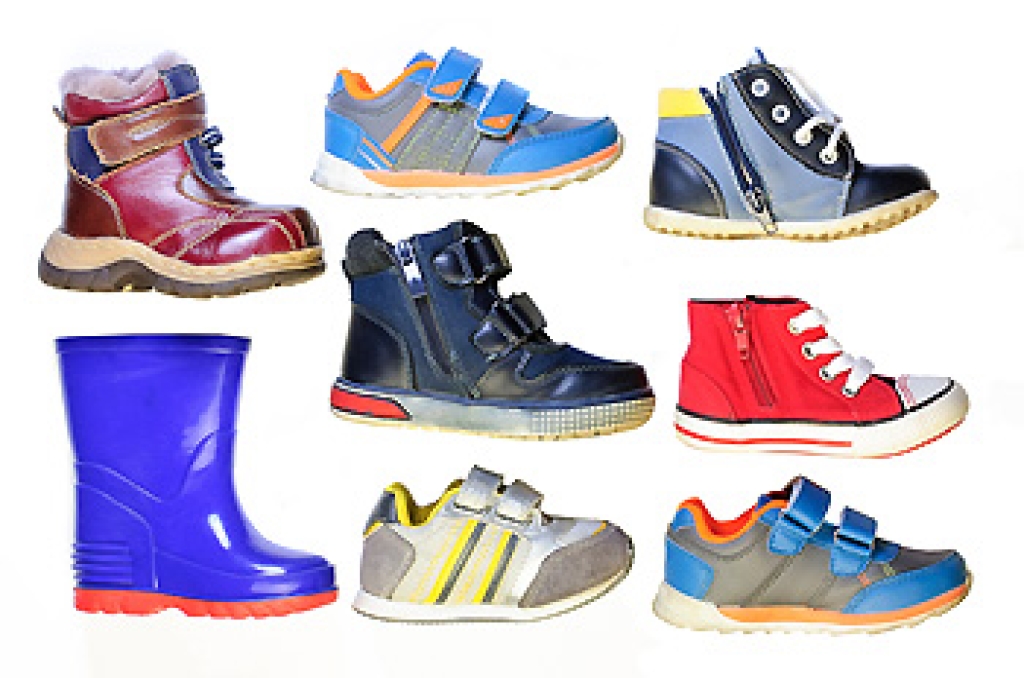
A toddler’s shoe is designed to protect the foot while allowing natural growth and flexibility. Selecting the right shoes is an important step in supporting early foot development and safe movement. During the early walking stages, the foot is still forming, with soft bones and developing muscles. Because of this, there is no rush to introduce shoes before a child begins walking outdoors. Barefoot movement indoors helps strengthen muscles and improve balance, making it a beneficial part of early development.

Symptoms of poorly fitted toddler shoes can include discomfort, frequent tripping, redness, or visible irritation on the skin. Some children may resist wearing shoes or attempt to remove them, which can signal improper fit. Tight shoes may restrict natural movement, while loose shoes can lead to instability. Soles that do not provide proper traction may increase the risk of falls. These signs highlight the importance of selecting shoes that match both the size and developmental needs of a growing child.


Risk factors for foot issues in toddlers include wearing shoes that are too small, too stiff, or made from non-breathable materials. Shoes with rigid soles can limit movement and affect walking patterns. Selecting lightweight shoes with flexible soles helps support natural motion and reduces strain. Soft upper leathers or breathable fabrics allow the foot to move comfortably while preventing irritation. Soles that help prevent tripping, such as those with a slight grip and flexibility, are ideal for early walkers.


Regular foot checks are essential as children grow quickly. It is recommended that feet be professionally checked every four to six weeks up to three years old, every six to eight weeks from three to four years, and every 10 to 12 weeks after that stage. Proper sizing ensures that shoes continue to support development without causing harm. Choosing the right first shoes can make a lasting impact on comfort and mobility. If your baby has foot pain from wearing the wrong shoes, it is suggested you consult a podiatrist for effective relief and guidance tips.

Making sure that your children maintain good foot health is very important as they grow. If you have any questions, contact Dr. John Branwell of Kearny, New Jersey. Our doctor can provide the care you need to keep you pain-free and on your feet.

Keeping Children's Feet Healthy

Having healthy feet during childhood can help prevent medical problems later in life, namely in the back and legs. As children grow, their feet require different types of care. Here are some things to consider...

Although babies do not walk yet, it is still very important to take care of their feet.

Avoid putting tight shoes or socks on his or her feet.

Allow the baby to stretch and kick his or her feet to feel comfortable.

As a toddler, kids are now on the move and begin to develop differently. At this age, toddlers are getting a feel for walking, so don’t be alarmed if your toddler is unsteady or ‘walks funny’. 

As your child gets older, it is important to teach them how to take care of their feet.

Show them proper hygiene to prevent infections such as fungus.

Be watchful for any pain or injury.

Have all injuries checked by a doctor as soon as possible.

Comfortable, protective shoes should always be worn, especially at play.

If you have any questions, please feel free to contact our office located in Kearny, NJ . We offer the newest diagnostic and treatment technologies for all your foot care needs.

Read more about What to Do to Keep Your Child’s Feet Healthy

Connect With Us