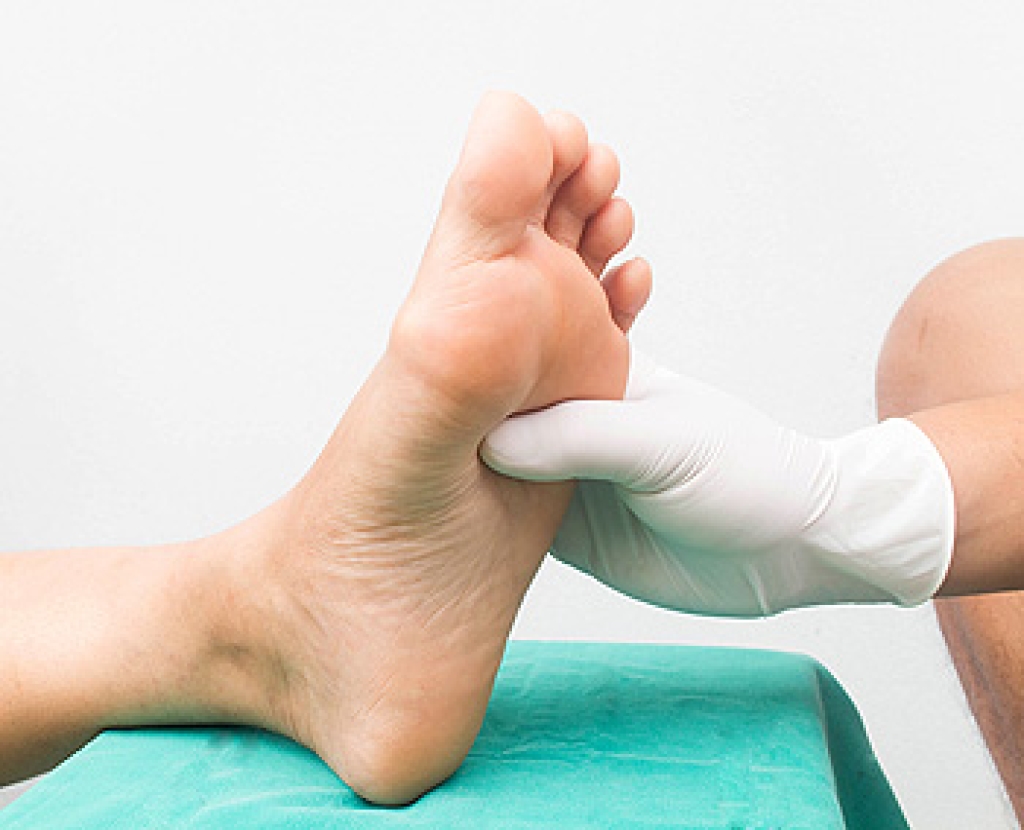
Diabetic Foot Pain and Its Impact on Daily Life

Diabetic foot pain is a common complication of diabetes that affects the nerves, blood flow, and overall structure of the feet. It develops when high blood sugar levels begin to damage the nerves and blood vessels that support healthy foot function. This condition is often linked to diabetic neuropathy, where nerve damage leads to reduced sensation and abnormal pain signals. Poor circulation also plays a major role, as it limits the delivery of oxygen and nutrients needed to keep tissues healthy and resilient.

Symptoms of diabetic foot pain vary from mild discomfort to severe and persistent pain that interferes with daily activities. Many individuals experience numbness, tingling, or a burning sensation in the feet. Others may notice stiff joints, reduced flexibility, or sharp pains that occur even while resting. Loss of sensation can make it difficult to detect injuries, which increases the risk of infections, ulcers, and long-term complications. Swelling, dry skin, and slow-healing wounds are also common signs that should not be ignored.


Several underlying causes contribute to diabetic foot pain. High blood sugar levels damage nerves over time, leading to neuropathy and altered pain perception. Poor circulation reduces blood flow to the lower extremities, which can result in tissue breakdown and delayed healing. These combined effects create an environment where even minor foot problems can become serious, if left untreated. Risk factors include long-standing diabetes and poor blood sugar control. Smoking, obesity, and lack of regular foot care are other factors.


Managing diabetic foot pain requires a comprehensive approach that focuses on controlling blood sugar levels and protecting foot health. Wearing supportive footwear, proper hygiene, and regular foot inspections can help reduce complications. A podiatrist can provide advanced care, including custom orthotics, wound management, and guidance on preventing further damage. If you are experiencing foot pain from diabetes, it is strongly suggested that you are under the care of a podiatrist who can help you to manage this serious condition. 

Foot Pain

Foot pain can be extremely painful and debilitating. If you have a foot pain, consult with Dr. John Branwell from Kearny, New Jersey. Our doctor will assess your condition and provide you with quality foot and ankle treatment.

Causes

Foot pain is a very broad condition that could be caused by one or more ailments. The most common include:

  • Bunions
  • Hammertoes
  • Plantar Fasciitis
  • Bone Spurs
  • Corns
  • Tarsal Tunnel Syndrome
  • Ingrown Toenails
  • Arthritis (such as Gout, Rheumatoid, and Osteoarthritis)
  • Flat Feet
  • Injury (from stress fractures, broken toe, foot, ankle, Achilles tendon ruptures, and sprains)
  • And more

Diagnosis

To figure out the cause of foot pain, podiatrists utilize several different methods. This can range from simple visual inspections and sensation tests to X-rays and MRI scans. Prior medical history, family medical history, and any recent physical traumatic events will all be taken into consideration for a proper diagnosis.

Treatment

Treatment depends upon the cause of the foot pain. Whether it is resting, staying off the foot, or having surgery; podiatrists have a number of treatment options available for foot pain.

If you have any questions, please feel free to contact our office located in Kearny, NJ . We offer the newest diagnostic and treatment technologies for all your foot care needs.

Read more about Foot Pain

How a Podiatrist Treats a Broken Ankle

A broken ankle occurs when one or more bones in the ankle joint fracture. The ankle supports the body’s weight and handles strong forces while walking, running, and jumping. A fracture can follow a fall, sports injury, or forceful twist. Symptoms can include immediate pain, swelling, and bruising. Tenderness and difficulty putting weight on the injured ankle are also possible. Some patients can still walk with a fracture, so being able to take steps does not always rule out a broken bone.

Ankle fractures can range from stable breaks to injuries that leave the joint unstable. A severe injury can also cause the ankle to look deformed. Because fractures and serious sprains can produce similar symptoms, a careful evaluation is important. The ankle contains the tibia, fibula, and talus, and a fracture can affect one or more of these bones. Treatment depends on the location of the break and whether the ankle remains stable. Some fractures require immobilization, while unstable or displaced fractures can require surgery to restore proper alignment.

A podiatrist can evaluate an injured ankle by checking tenderness, swelling, and the ability to put weight on the foot. The examination can also assess the foot for related injuries and signs that circulation or nerves are affected. Imaging can help confirm a suspected fracture and show the position of the broken bone. A podiatrist can determine an appropriate treatment plan based on the injury and ankle stability. Follow-up care can monitor healing, joint movement, and lingering swelling. Proper care is important because complications can include lasting pain, stiffness, and reduced ankle function. If you have symptoms of a broken ankle, it is suggested that you schedule an appointment with a podiatrist for diagnosis and treatment.

Broken ankles need immediate treatment. If you are seeking treatment, contact Dr. John Branwell from Kearny, New Jersey. Our doctor can provide the care you need to keep you pain-free and on your feet. 

Broken Ankles
A broken ankle is experienced when a person fractures their tibia or fibula in the lower leg and ankle area. Both of these bones are attached at the bottom of the leg and combine to form what we know to be our ankle.

When a physician is referring to a break of the ankle, he or she is usually referring to a break in the area where the tibia and fibula are joined to create our ankle joint. Ankles are more prone to fractures because the ankle is an area that suffers a lot of pressure and stress. There are some obvious signs when a person experiences a fractured ankle, and the following symptoms may be present.

Symptoms of a Fractured Ankle

  • Excessive pain when the area is touched or when any pressure is placed on the ankle
  • Swelling around the area
  • Bruising of the area
  • Area appears to be deformed

If you suspect an ankle fracture, it is recommended to seek treatment as soon as possible. The sooner you have your podiatrist diagnose the fracture, the quicker you’ll be on the way towards recovery.

If you have any questions, please feel free to contact our office located in Kearny, NJ . We offer the newest diagnostic and treatment technologies for all your foot care needs.

Read more about All About Broken Ankle

Improving Foot Function With Flat Feet Treatment

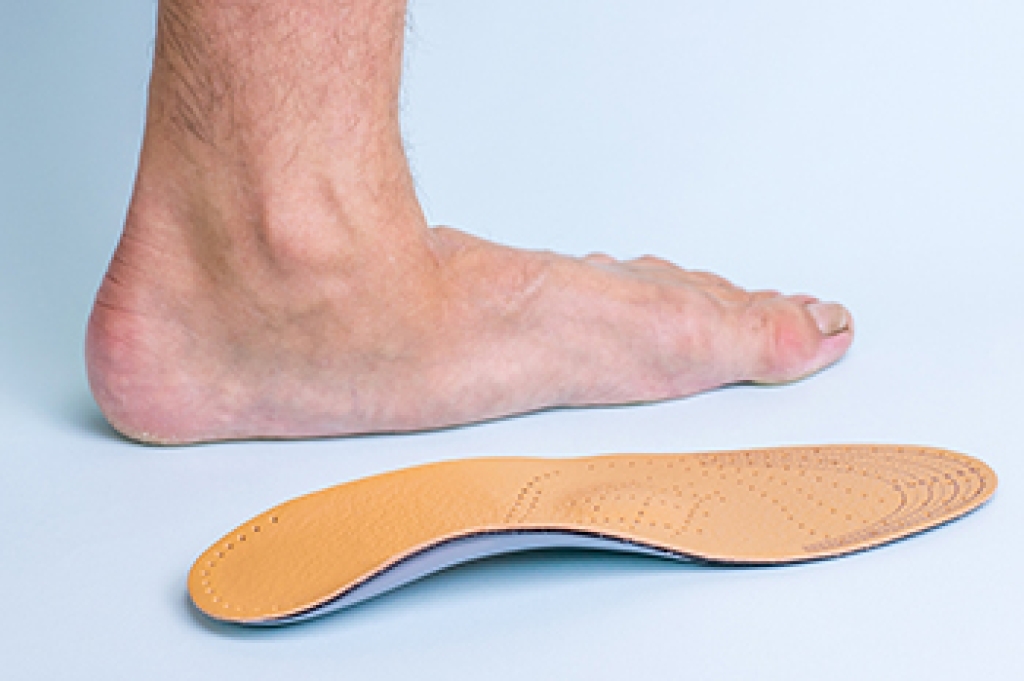
Flat feet can affect more than the way a person stands or walks. The arches on the bottom of the feet help support the body and guide movement through the legs. When these arches are lower or flattened, the feet can move differently when walking. This change can affect how forces travel from the feet toward the ankles, knees, and hips. Knee osteoarthritis is a condition in which the tissues inside a joint become damaged, causing pain, stiffness, and reduced movement. Research has found an association between flat feet and knee osteoarthritis. People with flat feet and knee osteoarthritis can experience greater knee pain and reduced physical function. However, research does not show that flat feet directly cause knee osteoarthritis.

A podiatrist can examine the feet, ankles, and legs to determine how foot structure affects movement. The evaluation can include checking the height of the arches, observing how the feet move while walking, and assessing areas of pain or stiffness. A podiatrist can also consider the severity of knee symptoms when developing a treatment plan. This is important because flat feet can vary from mild to more pronounced changes in foot position. Research involving patients with knee osteoarthritis found that greater flat-foot severity was associated with more knee pain, stiffness, and difficulty with physical function. These findings suggest that foot structure should be considered when evaluating patients who have both flat feet and knee osteoarthritis.

Treatment from a podiatrist focuses on improving foot function and supporting comfortable movement. Depending on the patient's needs, care can include custom orthotics, footwear recommendations, and exercises designed to support foot and lower-leg function. Orthotics are inserts designed to support the foot and improve how pressure is distributed when walking. A podiatrist can also monitor changes in foot and knee symptoms and coordinate care with other healthcare providers when appropriate. Addressing foot mechanics does not cure knee osteoarthritis, but evaluating the feet can be an important part of managing symptoms and maintaining mobility. If you have symptoms of flat feet or knee osteoarthritis, it is suggested that you schedule an appointment with a podiatrist for a diagnosis and appropriate treatment.

Flatfoot is a condition many people suffer from. If you have flat feet, contact Dr. John Branwell from Kearny, New Jersey. Our doctor will treat your foot and ankle needs.

What Are Flat Feet?

Flatfoot is a condition in which the arch of the foot is depressed and the sole of the foot is almost completely in contact with the ground. About 20-30% of the population generally has flat feet because their arches never formed during growth.

Conditions & Problems:

Having flat feet makes it difficult to run or walk because of the stress placed on the ankles.

Alignment – The general alignment of your legs can be disrupted, because the ankles move inward which can cause major discomfort.

Knees – If you have complications with your knees, flat feet can be a contributor to arthritis in that area.  

Symptoms

  • Pain around the heel or arch area
  • Trouble standing on the tip toe
  • Swelling around the inside of the ankle
  • Flat look to one or both feet
  • Having your shoes feel uneven when worn

Treatment

If you are experiencing pain and stress on the foot you may weaken the posterior tibial tendon, which runs around the inside of the ankle. 

If you have any questions, please feel free to contact our office located in Kearny, NJ . We offer the newest diagnostic and treatment technologies for all your foot care needs.

Read more about Flatfoot

Plantar Warts Can Be Treated!

Plantar warts are small growths that develop on parts of the feet that bear weight. They're typically found on the bottom of the foot. Don't live with plantar warts, and call us today!

Understanding Minimally Invasive Foot Surgery

Minimally invasive foot surgery is an advanced podiatric technique that corrects structural foot problems through very small incisions. Unlike traditional open procedures, this approach uses specialized instruments and imaging guidance to treat conditions with precision while limiting disruption to surrounding tissues. It is commonly used in modern podiatry for patients seeking effective correction with a more efficient recovery process. This method reflects a shift toward patient-centered care that prioritizes both outcomes and comfort.

Patients who undergo minimally invasive foot surgery often report less post operative pain, reduced swelling, and minimal scarring. Because the incisions are small, the body experiences less trauma, which can support quicker healing and earlier return to daily activities. Many individuals are able to walk sooner compared to traditional surgery, depending on the condition being treated. These benefits make it an appealing option for those with busy lifestyles or those who want to avoid extended downtime.


Common foot conditions treated with this technique include bunions, hammertoes, and certain cases of plantar fasciitis. Symptoms that may indicate the need for surgical correction include persistent pain, joint stiffness, and difficulty wearing shoes. Risk factors such as wearing improper footwear, repetitive stress, and biomechanical imbalance can contribute to these issues. A podiatrist evaluates each case carefully to determine whether a minimally invasive approach is appropriate.


Choosing the right treatment begins with a proper diagnosis and a clear understanding of available options. Minimally invasive foot surgery offers a modern solution that blends precision with patient comfort, making it an important advancement in foot care. If you have consistent foot pain from a specific condition,  it is suggested that you consult a podiatrist to discuss minimally invasive options and receive appropriate care tailored to your needs.

Foot surgery is sometimes necessary to treat a foot ailment. To learn more, contact Dr. John Branwell of Kearny, New Jersey. Our doctor will assist you with all of your foot and ankle needs.

When Is Surgery Necessary?

Foot and ankle surgery is generally reserved for cases in which less invasive, conservative procedures have failed to alleviate the problem. Some of the cases in which surgery may be necessary include:

  • Removing foot deformities like bunions and bone spurs
  • Severe arthritis that has caused bone issues
  • Cosmetic reconstruction

What Types of Surgery Are There?

The type of surgery you receive will depend on the nature of the problem you have. Some of the possible surgeries include:

  • Bunionectomy for painful bunions
  • Surgical fusion for realignment of bones
  • Neuropathy decompression surgery to treat nerve damage

Benefits of Surgery

Although surgery is usually a last resort, it can provide more complete pain relief compared to non-surgical methods and may allow you to finally resume full activity.

Surgical techniques have also become increasingly sophisticated. Techniques like endoscopic surgery allow for smaller incisions and faster recovery times.

If you have any questions, please feel free to contact our office located in Kearny, NJ . We offer the newest diagnostic and treatment technologies for all your foot care needs.

Read more about Foot Surgery

Connect With Us