Foot Stress Fractures and Prevention Tips

A foot stress fracture is a small crack in a bone that develops from repetitive force or overuse, rather than a single injury. It often occurs when activity levels increase too quickly or when the feet are not properly supported. Symptoms include pain that worsens during weight-bearing activities and improves with rest. Risk factors include overuse, poor footwear, and weak bone health. Preventive steps include wearing properly fitted shoes, gradually increasing exercise intensity, and incorporating cross-training activities to reduce repeated strain. Maintaining a balanced diet rich in calcium and vitamin D can support bone strength. Additionally, pushing through pain during exercise can worsen the injury. If you have symptoms of a foot stress fracture, it is suggested that you consult a podiatrist who can accurately diagnose and treat it.

Activities where too much pressure is put on the feet can cause stress fractures. To learn more, contact Dr. John Branwell from Kearny, New Jersey. Our doctor can provide the care you need to keep your pain free and on your feet.

Dealing with Stress Fractures of the Foot and Ankle

Stress fractures occur in the foot and ankle when muscles in these areas weaken from too much or too little use.  The feet and ankles then lose support when walking or running from the impact of the ground. Since there is no protection, the bones receive the full impact of each step. Stress on the feet can cause cracks to form in the bones, thus creating stress fractures.

What Are Stress Fractures?

Stress fractures occur frequently in individuals whose daily activities cause great impact on the feet and ankles. Stress factors are most common among:

  • Runners                                
  • People affected with Osteoporosis
  • Tennis or basketball players
  • Gymnasts
  • High impact workouts

Symptoms

Pain from the fractures occur in the area of the fractures and can be constant or intermittent. It will often cause sharp or dull pain with swelling and tenderness. Engaging in any kind of activity which involves high impact will aggravate pain.

If you have any questions please contact our office located in Kearny, NJ . We offer the newest diagnostic and treatment technologies for all your foot and ankle needs.

Read more about Dealing with Stress Fractures of the Foot and Ankle

Reasons for Ankle Instability

Ankle instability often develops after repeated ankle sprains weaken the supporting ligaments that holds the joint together. When these ligaments stretch or tear, the joint can lose control and become less stable during movement. As a result, the ankle may feel unsteady or give way, especially on uneven ground or with quick turns. Damage to small nerve sensors can also affect balance, as they help the brain sense position. When they do not work well, the risk of missteps increases. Other causes include poor alignment and muscles that are not strong enough to support the ankle. A podiatrist can examine the ankle, assess stability, and order imaging to identify damage. Treatment options include bracing, custom-made orthotics, and guided exercises to improve strength and control. If you frequently have the feeling of an ankle giving way, it is suggested that you schedule an appointment with a podiatrist for a diagnosis and appropriate treatment.

Ankle pain can be caused by a number of problems and may be potentially serious. If you have ankle pain, consult with Dr. John Branwell from Kearny, New Jersey. Our doctor will assess your condition and provide you with quality foot and ankle treatment.

Ankle pain is any condition that causes pain in the ankle. Due to the fact that the ankle consists of tendons, muscles, bones, and ligaments, ankle pain can come from a number of different conditions.

Causes

The most common causes of ankle pain include:

  • Types of arthritis (rheumatoid, osteoarthritis, and gout)
  • Ankle sprains
  • Broken ankles
  • Achilles tendonitis
  • Achilles tendon rupture
  • Stress fractures
  • Bursitis
  • Tarsal tunnel syndrome
  • Plantar fasciitis

Symptoms

Symptoms of ankle injury vary based upon the condition. Pain may include general pain and discomfort, swelling, aching, redness, bruising, burning or stabbing sensations, and/or loss of sensation.

Diagnosis

Due to the wide variety of potential causes of ankle pain, podiatrists will utilize a number of different methods to properly diagnose ankle pain. This can include asking for personal and family medical histories and of any recent injuries. Further diagnosis may include sensation tests, a physical examination, and potentially x-rays or other imaging tests.

Treatment

Just as the range of causes varies widely, so do treatments. Some more common treatments are rest, ice packs, keeping pressure off the foot, orthotics and braces, medication for inflammation and pain, and surgery.

If you have any questions please feel free to contact our office located in Kearny, NJ . We offer the newest diagnostic tools and technology to treat your foot and ankle needs.

Read more about Ankle Pain

Haglund’s Deformity and Heel Irritation

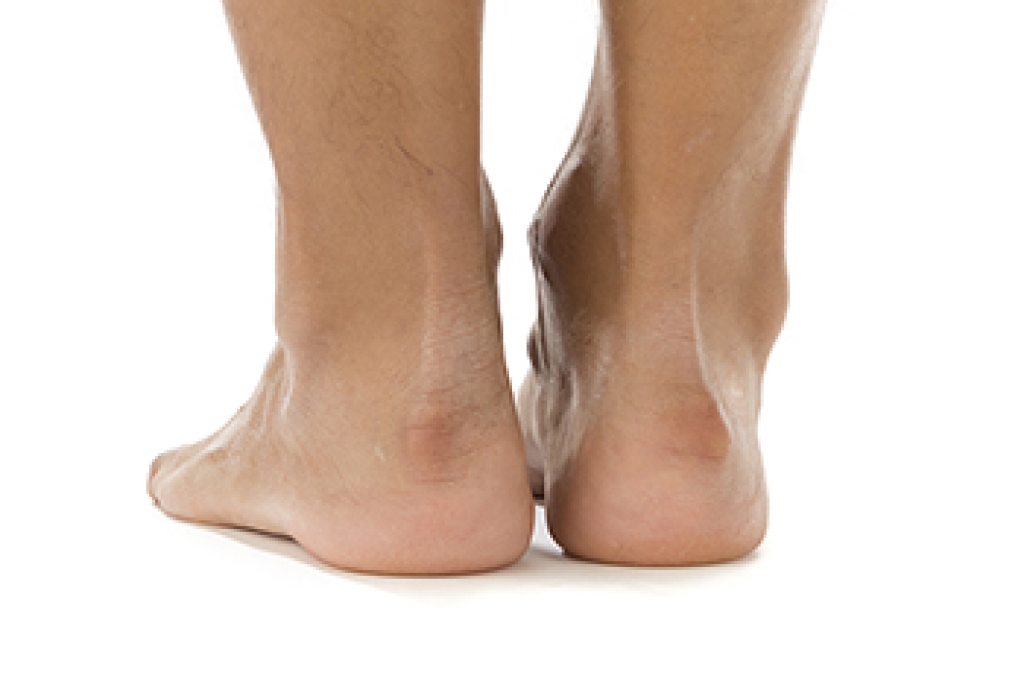
Haglund’s deformity involves a bony enlargement on the back of the heel that can lead to irritation and discomfort. This bump forms at the attachment of the Achilles tendon, which helps the foot point downward, and plays a key role in walking and movement. The condition is often aggravated by  wearing rigid or tight shoes that create repeated friction against the heel. The area may become red, swollen, and tender, and a noticeable bump may develop. Some individuals also experience inflammation of the surrounding soft tissue, making activity or certain footwear uncomfortable. A podiatrist can examine the shape of the heel and check for signs of irritation. Imaging tests may be used if more detail is needed. Treatment options include shoe modifications, padding, orthotics, and targeted exercises. More persistent cases may require advanced care. If you are experiencing heel pain related to Haglund’s deformity, it is suggested that you schedule an appointment with a podiatrist for an accurate diagnose and appropriate relief and treatment solutions.

Many people suffer from bouts of heel pain. For more information, contact Dr. John Branwell of Kearny, New Jersey. Our doctor can provide the care you need to keep you pain-free and on your feet.

Causes of Heel Pain

Heel pain is often associated with plantar fasciitis. The plantar fascia is a band of tissues that extends along the bottom of the foot. A rip or tear in this ligament can cause inflammation of the tissue.

Achilles tendonitis is another cause of heel pain. Inflammation of the Achilles tendon will cause pain from fractures and muscle tearing. Lack of flexibility is also another symptom.

Heel spurs are another cause of pain. When the tissues of the plantar fascia undergo a great deal of stress, it can lead to ligament separation from the heel bone, causing heel spurs.

Why Might Heel Pain Occur?

  • Wearing ill-fitting shoes                
  • Wearing non-supportive shoes
  • Weight change           
  • Excessive running

Treatments

Heel pain should be treated as soon as possible for immediate results. Keeping your feet in a stress-free environment will help. If you suffer from Achilles tendonitis or plantar fasciitis, applying ice will reduce the swelling. Stretching before an exercise like running will help the muscles. Using all these tips will help make heel pain a condition of the past.

If you have any questions, please feel free to contact our office located in Kearny, NJ . We offer the newest diagnostic and treatment technologies for all your foot care needs.

Read more about Heel Pain

Are Bunions Affecting Your Everyday Life?

Have you noticed a bony protrusion on the side of your big toe? If so, you may have developed the foot condition known as a bunion. Don't let bunions interfere with your daily activities.

Skin That Hardens and Cracks

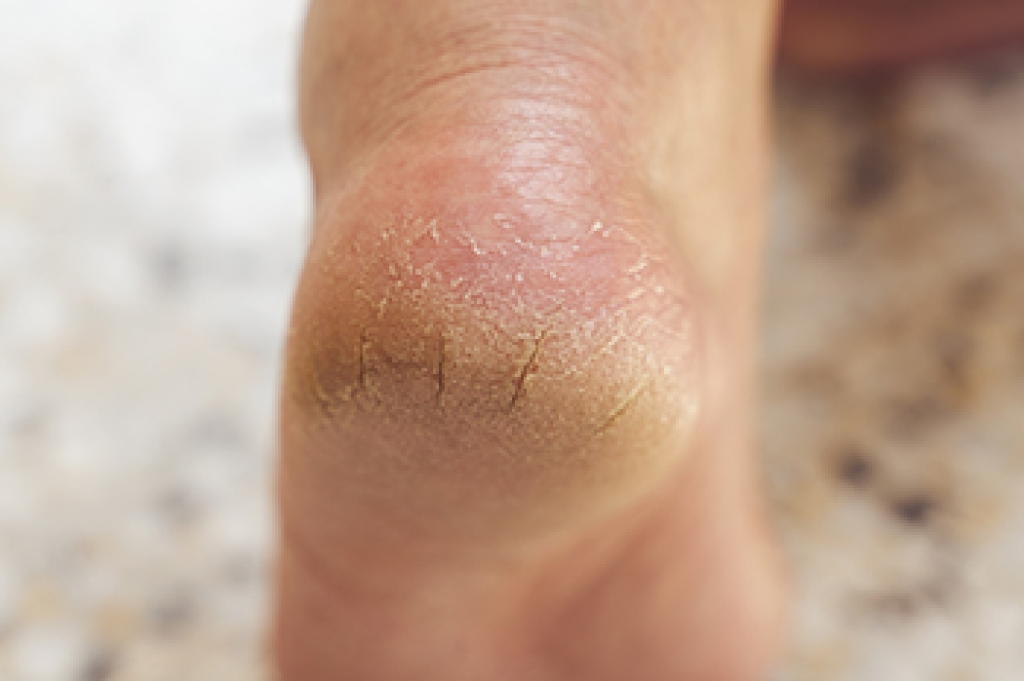
Cracked heels and callouses develop when the skin on the feet becomes thick, dry, and less flexible. Callouses form as a protective response to repeated pressure or friction, often appearing on the heels or balls of the feet. Over time, the skin may become excessively thick and begin to split, leading to painful fissures in the heel. These cracks may look like deep lines in the skin and can feel tender, especially when standing or walking. Contributing factors include standing for a long time, wearing open back shoes, dry skin, and certain medical conditions that affect skin health. A podiatrist can evaluate the severity of the callous buildup and determine whether there are underlying causes. Treatment includes careful removal of thickened skin, moisturizing routines to restore flexibility, and prescribing custom orthotics to reduce pressure. Early care helps prevent deeper cracks and possible infection. If you have cracked heels or callouses that have become painful, it is suggested that you make an appointment with a podiatrist.
 

Cracked heels are unsightly and can cause further damage to your shoes and feet. If you have any concerns, contact Dr. John Branwell from Kearny, New Jersey. Our doctor can provide the care you need to keep you pain-free and on your feet.

Cracked Heels

Cracked heels appear unappealing and can make it harder for you walk around in sandals. Aside from looking unpleasant, cracked heels can also tear stockings, socks, and wear out your shoes. There are several methods to help restore a cracked heel and prevent further damage.

How Do You Get Them?

Dry skin is the number one culprit in creating cracked heels. Many athletes, walkers, joggers, and even swimmers suffer from cracked heels. Age and skin oil production play a role to getting cracked heels as well.

Promote Healing

Over the counter medicines can help, especially for those that need instant relief or who suffer from chronic dry feet.

Wear Socks – Wearing socks with medicated creams helps lock in moisture.

Moisturizers – Applying both day and night will help alleviate dryness which causes cracking.

Pumice Stones – These exfoliate and remove dead skin, which allows for smoother moisturizer application and better absorption into the skin. 

Change in Diet

Eating healthy with a well-balanced diet will give the skin a fresh and radiant look. Your body responds to the kinds of food you ingest. Omega-3 fatty acids and zinc supplements can also revitalize skin tissue.

Most importantly, seek professional help if unsure how to proceed in treating cracked heels. A podiatrist will help you with any questions or information needed. 

If you have any questions, please feel free to contact our office located in Kearny, NJ . We offer the newest diagnostic and treatment technologies for all your foot care needs.

Read more about Solutions for Cracked Heels

Connect With Us