
Big Toe Fusion for Severe Joint Pain

Big toe fusion is a surgical procedure used to treat severe arthritis in the main joint of the big toe. This joint plays an important role in walking because it helps the foot push off the ground with each step. Arthritis can damage the joint surfaces, causing pain, stiffness, and reduced movement. When symptoms become severe and other treatment options have not provided enough relief, surgery may be considered. During big toe fusion, the damaged joint surfaces are removed, and the bones are positioned together so they can heal as one solid structure. This stops painful movement within the arthritic joint.


The procedure is designed to reduce pain and provide a more stable big toe. Metal screws or a plate may be used to hold the bones in the correct position while they join together. Because the joint is permanently fused, it will no longer bend normally after surgery. However, the end joint of the big toe can still move. Most people are able to return to normal walking once healing is complete. The procedure may also help improve the position of a severely deformed big toe. As with any surgery, possible complications can occur, including infection, nerve irritation, or problems with the bones joining together.


A podiatrist can evaluate ongoing big toe joint pain and determine whether arthritis or another foot problem is affecting movement. The evaluation can help determine whether surgical treatment, including big toe fusion, may be appropriate. A podiatrist can explain how the procedure affects joint movement and discuss what to expect during recovery. The decision to have foot surgery depends on the severity of the arthritis and its effect on everyday activities. If severe big toe pain or stiffness is making walking increasingly difficult, it is suggested that you consult a podiatrist for an evaluation and appropriate treatment options.

In certain cases, in which the patient suffers from extreme pain or damage in a joint, joint replacement surgery may be deemed useful. If you have constant pain in a foot joint, consult with Dr. John Branwell from Kearny, New Jersey. Our doctor will assess your condition and provide you with quality foot and ankle treatment.

What Is Joint Replacement Surgery?

Over time, joints wear down; this can be exacerbated by diseases and conditions. Joint replacement surgery, also known as arthroplasty, is when a damaged joint is surgically removed and replaced with a prosthesis. Prostheses, which can be made of ceramic, plastic, or metal, act as joints in lieu of an actual joint. One of the most prevalent causes for joint replacement is arthritis.

Arthritis in the Foot

Arthritis can occur in any joint in the body, including in the feet. Common types of arthritis in the foot are osteoarthritis, rheumatoid arthritis, and gout. The big toe is usually where arthritis occurs in the foot; this is known as hallux rigidus.

Joint Replacement Surgery in the Foot

The most common form of joint replacement in the foot is a first metatarsophalangeal (MTP) joint placement. MTP joint replacement surgery is designed to treat hallux rigidus. Surgery is not intensive, and recovery occurs within one to two months after the procedure has been done. Overall, joint replacement surgery is a safe and effective way to treat pain in the joint of the foot.

If you have any questions, please feel free to contact our office located in Kearny, NJ . We offer the newest diagnostic and treatment technologies for all your foot care needs.
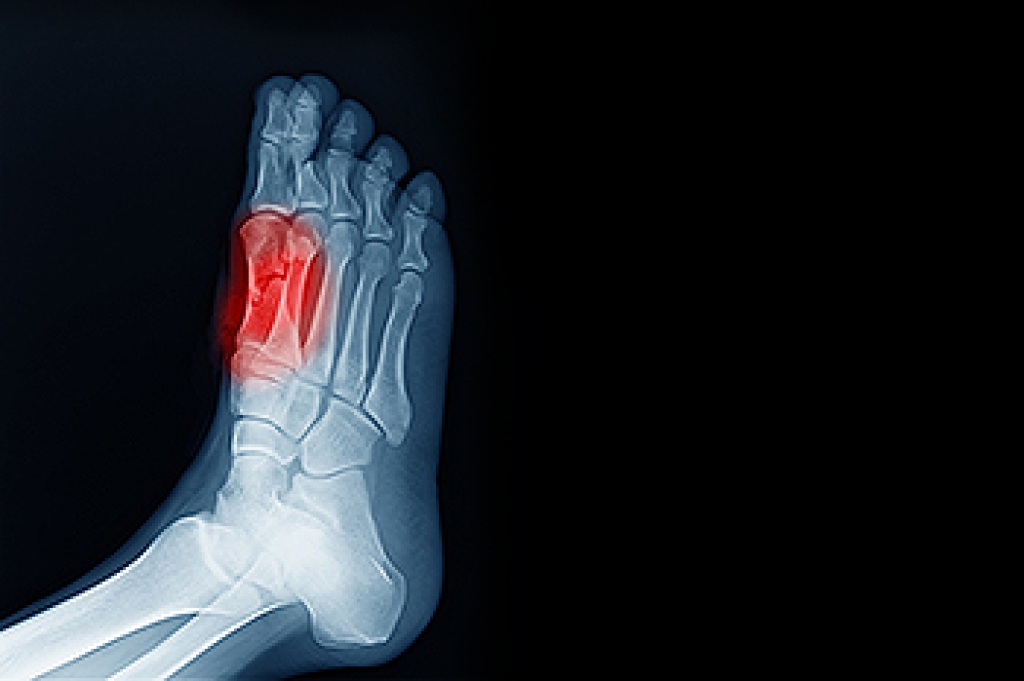
Read more about Joint Replacement Surgery

Pain Under the Big Toe Can Signal Sesamoiditis

Pain under the base of the big toe may be caused by two small bones, called sesamoids. They sit beneath the end of the long bone that connects to the big toe. The tiny bones help the big toe move and absorb pressure as the foot pushes off the ground. In some cases, a sesamoid bone is fractured or shifts from its usual position. Dancers, certain athletes, and runners face a higher risk because their activities place repeated pressure on the front of the foot. High arches, bunions, and frequent wearing of high-heeled shoes can also increase strain in this area.

Pain from sesamoiditis is usually centered under the big-toe joint and can develop gradually. It may become sharper when walking, running, or bending the big toe upward. Walking barefoot can be painful because there is little protection beneath the sore area. Wearing thin-soled and high-heeled shoes can also make symptoms worse. The skin near the joint may appear red, warm, or swollen. These signs can resemble a fracture, arthritis, or gout. Continuing to place pressure on the area can limit movement and make a patient change how the foot meets the ground.

A podiatrist can examine the painful area, check big-toe movement, and evaluate the way pressure moves through the foot. X-rays can help identify a fracture, arthritis, or a change in the position of a sesamoid bone. An MRI scan or another imaging test can provide more detail when the source of pain remains unclear. A podiatrist can provide offloading pads, prescribe custom orthotics, or recommend shoes with thick soles and lower heels. A podiatrist also may suggest taping, a brace, or a walking boot to limit painful movement while healing. Surgery is rarely considered, but it can be an option for severe damage that does not improve with other care. If you have symptoms of sesamoiditis, it is suggested that you schedule an appointment with a podiatrist for a diagnosis and appropriate treatment.

Toe pain can disrupt your daily activities. If you have any concerns, contact Dr. John Branwell of Kearny, New Jersey. Our doctor can provide the care you need to keep you pain-free and on your feet.

What Causes Toe Pain?

Most severe toe pain is caused due to a sports injury, trauma from dropping something heavy on the toe, or bumping into something rigid. Other problems can develop over time for various reasons.

Toe pain can be caused by one or more ailments. The most common include:

  • Trauma
  • Sports injury
  • Wearing shoes that are too tight
  • Arthritis
  • Gout
  • Corns and calluses
  • Hammertoe
  • Bunions
  • Blisters
  • Ingrown toenails
  • Sprains
  • Fractures (broken bones)
  • Dislocations

When to See a Podiatrist

  • Severe pain
  • Persistent pain that lasts more than a week
  • Signs of infection
  • Continued swelling
  • Pain that prevents walking

Diagnosis

In many cases the cause of toe pain is obvious, but in others, a podiatrist may want to use more advanced methods to determine the problem. These can range from simple visual inspections and sensation tests to X-rays and MRI scans. Prior medical history, family medical history, and any recent physical traumatic events will all be taken into consideration for a proper diagnosis.

Treatment

Treatments for toe pain and injuries vary and may include shoe inserts, padding, taping, medicines, injections, and in some cases, surgery. If you believe that you have broken a toe, please see a podiatrist as soon as possible.

If you have any questions please contact our office located in Kearny, NJ . We offer the newest diagnostic and treatment technologies for all your foot and ankle needs.

Read more about Toe Pain

Common Foot and Ankle Injuries After Workplace Falls

Falling at work can injure the feet and ankles through sudden twisting, impact, or excessive force. A workplace fall may affect bones, ligaments, or nerves. Symptoms can include pain, swelling, and difficulty bearing weight. Some injuries appear immediately, while others become more painful as inflammation develops. Even when a person can still walk, an injury may require professional evaluation.

Ankle sprains are common after a fall and occur when ligaments supporting the joint are stretched or torn. Fractures happen when bones crack or break from impact, twisting, or compression. Achilles tendon injuries affect the strong tendon connecting the calf muscles to the heel and can range from irritation to a complete rupture. Additionally, nerve injuries may cause numbness, tingling, burning, or changes in sensation around the foot or ankle.


Workplace risks include wet floors, uneven surfaces, and poor lighting. Employees who climb stairs, work at heights, or carry materials may face additional fall hazards. Previous injuries can also increase risk because the foot or ankle may have reduced strength, flexibility, or stability. Recognizing hazards and reporting unsafe conditions can help reduce preventable workplace injuries.


A podiatrist evaluates the injury by reviewing the accident and examining the foot and ankle. The assessment may include checking circulation, sensation, and joint stability. Imaging can help identify fractures or significant soft-tissue damage. Treatment may include wearing protective footwear, bracing, and activity modification, depending on the diagnosis. Follow-up appointments allow the podiatrist to monitor healing and adjust care as needed. If you have suffered a foot injury after falling at work, it is suggested that you consult a podiatrist for an accurate diagnosis and appropriate treatment.

Preventing falls among the elderly is very important. If you are older and have fallen or fear that you are prone to falling, consult with Dr. John Branwell from Kearny, New Jersey. Our doctor will assess your condition and provide you with quality advice and care.

Every 11 seconds, an elderly American is being treated in an emergency room for a fall related injury. Falls are the leading cause of head and hip injuries for those 65 and older. Due to decreases in strength, balance, senses, and lack of awareness, elderly persons are very susceptible to falling. Thankfully, there are a number of things older persons can do to prevent falls.

How to Prevent Falls

Some effective methods that older persons can do to prevent falls include:

  • Enrolling in strength and balance exercise program to increase balance and strength
  • Periodically having your sight and hearing checked
  • Discuss any medications you have with a doctor to see if it increases the risk of falling
  • Clearing the house of falling hazards and installing devices like grab bars and railings
  • Utilizing a walker or cane
  • Wearing shoes that provide good support and cushioning
  • Talking to family members about falling and increasing awareness

Falling can be a traumatic and embarrassing experience for elderly persons; this can make them less willing to leave the house, and less willing to talk to someone about their fears of falling. Doing such things, however, will increase the likelihood of tripping or losing one’s balance. Knowing the causes of falling and how to prevent them is the best way to mitigate the risk of serious injury.  

If you have any questions, please feel free to contact our office located in Kearny, NJ . We offer the newest diagnostic and treatment technologies for all your foot care needs.

Read more about Falls Prevention

Reminder: When Was the Last Time...?

Custom orthotics, or shoe inserts, should be periodically replaced. Orthotics must fit properly to give you the best results. Protect your feet and ankles!

Broken Toe and Metatarsal Fracture Treatment From a Podiatrist

A broken toe or metatarsal fracture can make every step painful because these bones help support your weight and maintain balance while walking. The toes and metatarsals work together to absorb impact and provide stability with each movement. A fracture can happen after dropping a heavy object on the foot, stubbing a toe, or twisting the foot during sports or other activities. Repeated stress from running or jumping can also create tiny cracks called stress fractures. These small breaks develop gradually from repeated force instead of one sudden injury. Prompt evaluation is important because walking on an untreated fracture can lead to further damage and delay proper healing.

Symptoms include swelling, bruising, and tenderness around the injured toe or foot. Some people notice difficulty putting weight on the foot or pain that becomes worse while walking. Others develop visible deformity, stiffness, or swelling that does not improve. Stress fractures sometimes begin with mild discomfort that steadily increases during activity. A complete examination helps determine the location and severity of the fracture. Imaging tests like X-rays can confirm the diagnosis and guide the best treatment plan.

Podiatrists evaluate the injured foot to identify the type of fracture and determine how it affects movement and stability. Treatment depends on the location and severity of the injury and focuses on protecting the broken bone while it heals. A podiatrist also monitors healing, evaluates walking patterns, and helps reduce unnecessary stress on nearby joints and tissues. Early treatment lowers the risk of long-term pain, poor bone alignment, and ongoing mobility problems. Care also helps patients return to normal daily activities as safely as possible while protecting the injured foot from additional strain. If you have symptoms of a broken toe or metatarsal fracture, it is suggested that you schedule an appointment with a podiatrist for diagnosis and treatment.

A broken toe can be very painful and lead to complications if not properly fixed. If you have any concerns about your feet, contact Dr. John Branwell from Kearny, New Jersey. Our doctor will treat your foot and ankle needs.

What to Know About a Broken Toe

Although most people try to avoid foot trauma such as banging, stubbing, or dropping heavy objects on their feet, the unfortunate fact is that it is a common occurrence. Given the fact that toes are positioned in front of the feet, they typically sustain the brunt of such trauma. When trauma occurs to a toe, the result can be a painful break (fracture).

Symptoms of a Broken Toe

  • Throbbing pain
  • Swelling
  • Bruising on the skin and toenail
  • The inability to move the toe
  • Toe appears crooked or disfigured
  • Tingling or numbness in the toe

Generally, it is best to stay off of the injured toe with the affected foot elevated.

Severe toe fractures may be treated with a splint, cast, and in some cases, minor surgery. Due to its position and the pressure it endures with daily activity, future complications can occur if the big toe is not properly treated.

If you have any questions, please feel free to contact our office located in Kearny, NJ . We offer the newest diagnostic and treatment technologies for all your foot care needs.
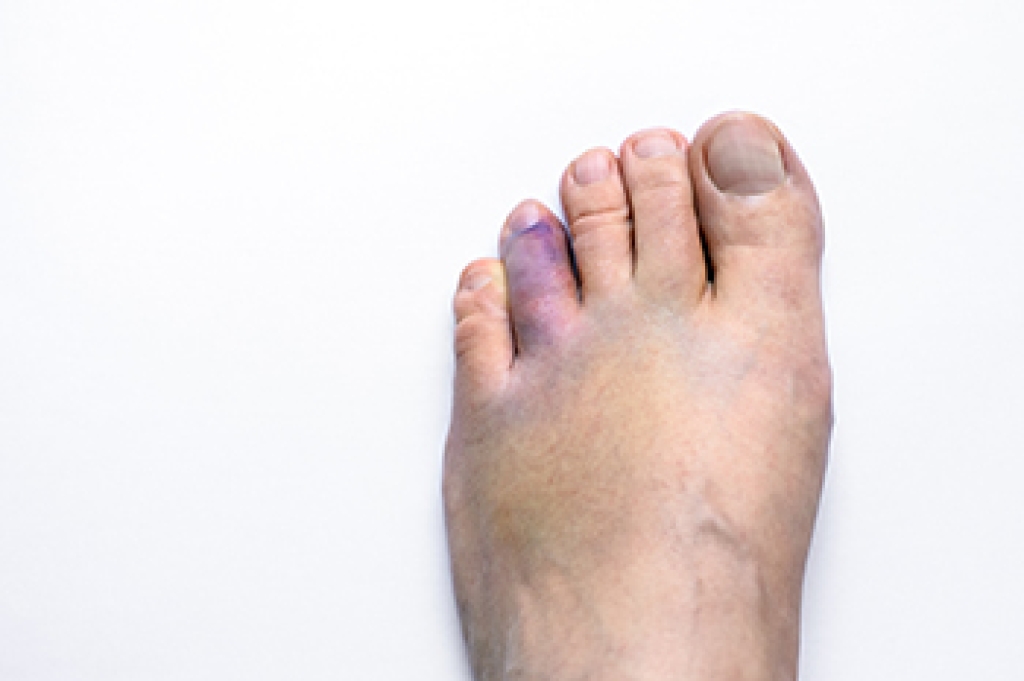
Read more about What to Know About a Broken Toe

Connect With Us